Wondering whether Detroit living should mean a high-rise near the Riverwalk or a house on a tree-lined residential street? If you are weighing Downtown versus neighborhood living in Detroit, the right fit often comes down to how you want to spend your time, how much home upkeep you want, and how often you need to move around the city or into Oakland County. This guide breaks down the real tradeoffs so you can compare lifestyle, housing, transit, and day-to-day feel with more confidence. Let’s dive in.
Detroit Housing Starts With Two Lifestyles
Detroit’s housing stock is still largely shaped by detached homes. According to the City of Detroit’s 2025 to 2029 Consolidated Plan, 66% of the city’s housing stock is 1-unit detached, while 20-plus unit buildings make up 13%.
That big-picture split helps explain why Downtown and Midtown can feel very different from many of Detroit’s established residential areas. In Greater Downtown, the housing mix leans more toward apartments, luxury apartments, condominiums, rowhouses, and townhouses, while many neighborhoods beyond the core remain more house-oriented.
Downtown Detroit Living at a Glance
If you picture Detroit as walkable, event-filled, and close to major public spaces, you are likely picturing Downtown. Downtown Detroit Partnership reports that the district’s residential population reached 6,893 in 2025, after growing 30% over the last decade.
Downtown also supports a strong daytime energy. The Downtown Detroit Business Improvement Zone had nearly 32,000 average weekday workers in 2025, which adds to the active feel during the workweek.
Downtown Amenities and Public Spaces
One of Downtown’s biggest draws is the concentration of public gathering space. Downtown Detroit Partnership manages 18 Downtown parks and public spaces and reports more than 1,200 events across them each year.
Campus Martius sits at the center of that experience, while Grand Circus Park helps anchor the entertainment district. If you enjoy having events, outdoor spaces, and activity close to home, Downtown offers that in a very direct way.
Riverfront Access Matters
The Detroit Riverfront is another major lifestyle feature for core-area residents. The Detroit Riverfront Conservancy says the riverfront network includes about 100 acres of parks and green space connected by more than eight miles of Riverwalk and greenways.
The Riverfront is open seven days a week from 6 a.m. to 10 p.m. For many buyers, that kind of access adds a daily-use amenity that can shape everything from morning walks to weekend plans.
Midtown Offers a Middle Ground
If Downtown feels a bit too business-centered but you still want a connected, urban lifestyle, Midtown can be a strong middle option. Midtown Detroit Inc describes Midtown and New Center as a three-square-mile area that includes Wayne State, the Cultural Center, North Cass, South Cass, the Medical Center, Brush Park, and nearby neighborhoods.
Midtown tends to offer a compact mix of residential, cultural, and institutional activity. It is often a fit for buyers who want city access without being in the center of Downtown’s pace.
What Midtown Feels Like Day to Day
Midtown includes several distinct subareas with different rhythms. Midtown Detroit Inc notes that the Wayne State area includes students, young professionals, and long-time residents, while the Art Center surrounds the Cultural Center, North Cass serves as a small-business shopping district, and South Cass functions as an entertainment hub.
Brush Park adds another layer, with ongoing new development contributing to the area’s evolving housing mix. The Detroit Institute of Arts, located at 5200 Woodward, also reinforces Midtown’s role as a major cultural destination.
Established Detroit Neighborhoods Feel Different
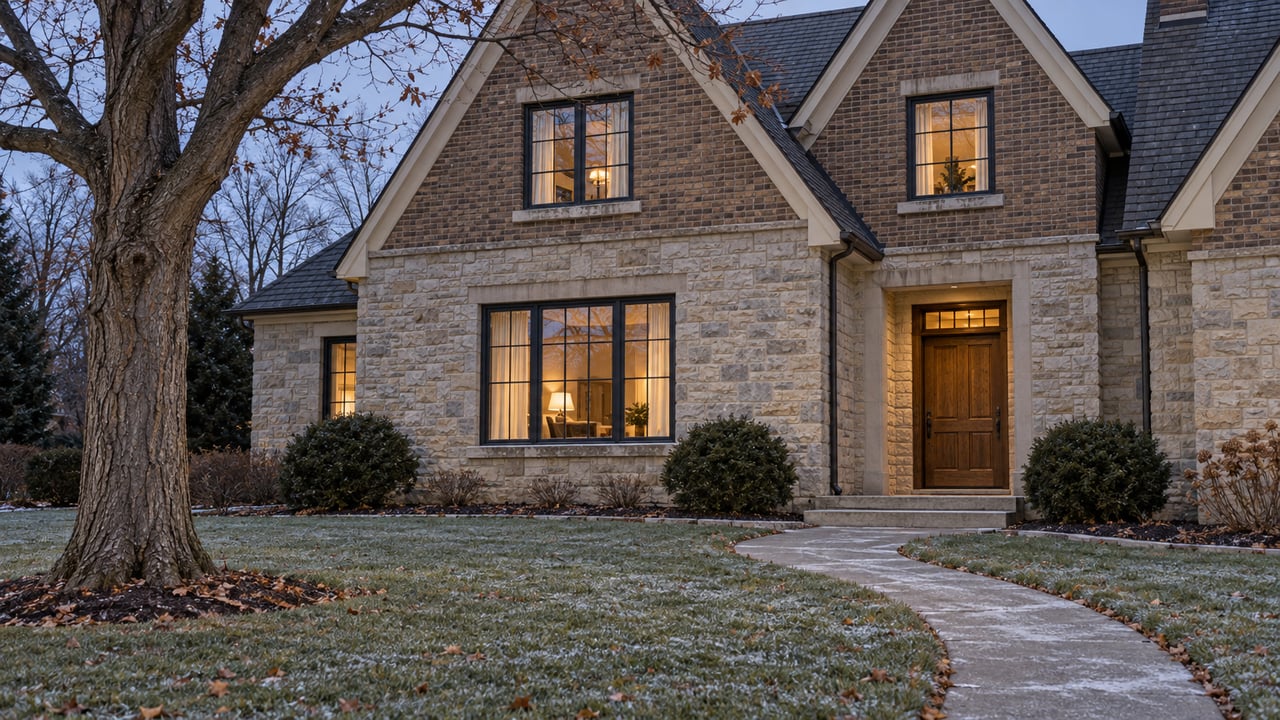
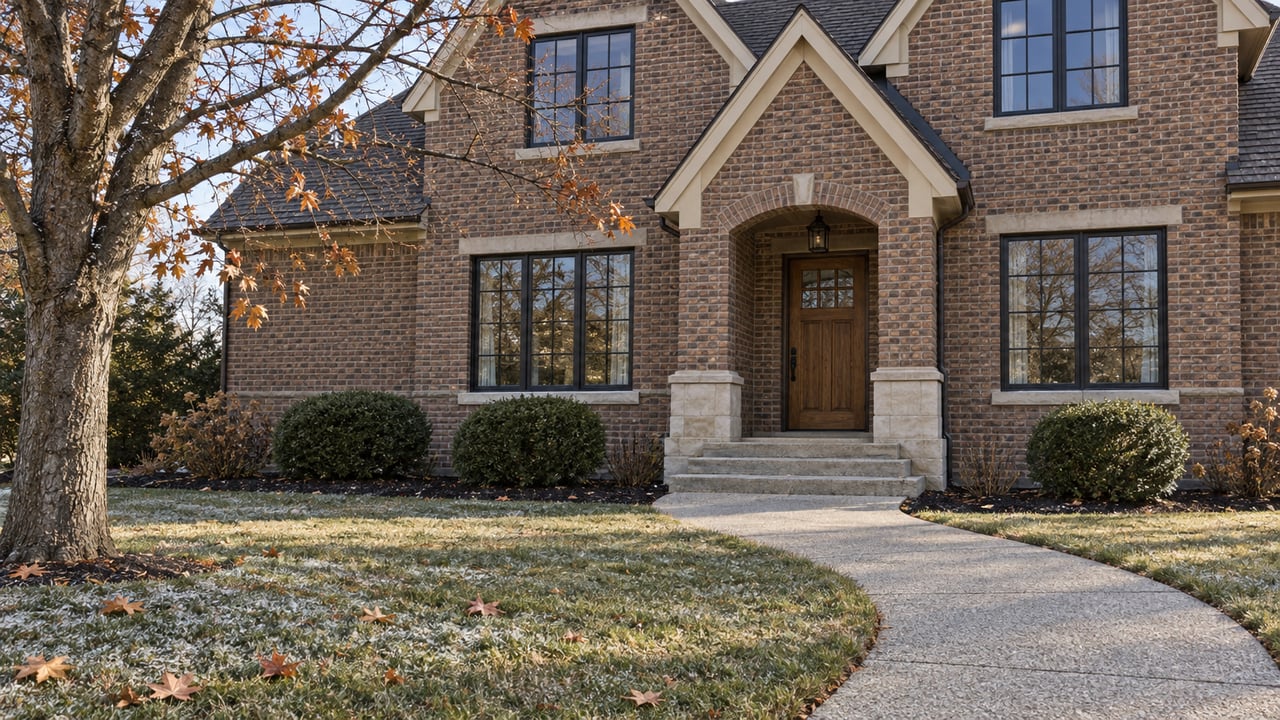
If your idea of home includes a detached house, more outdoor space, and a steadier residential street pattern, many of Detroit’s established neighborhoods may feel like a better fit. These areas often deliver a more classic house-and-yard experience than the urban core.
That said, Detroit’s neighborhoods are not all the same. Some are heavily detached-home oriented, while others mix apartments, duplexes, and single-family housing.
House-Oriented Neighborhood Examples
Sherwood Forest offers a clear example of Detroit’s more house-centered residential pattern. The City of Detroit describes it as a residential neighborhood about seven miles from Downtown with roughly 440 single-family houses and 11 duplexes, along with front and rear yards, mature trees, and consistent setbacks.
That type of housing pattern usually appeals to buyers who want more private outdoor space and a more traditional residential setting. It can also mean a different maintenance profile than a condo or townhouse in the core.
Mixed Housing in Established Areas
Some neighborhoods on the city’s edges offer more variety than buyers expect. City neighborhood planning documents describe Indian Village as having some of Detroit’s largest residential lot sizes and high occupancy, while West Village includes a mix of multi-story residential apartments and single- and multiple-family homes.
That matters because Detroit is not a strict either-or market. You can find established areas with a residential feel that still offer a more varied housing mix.
Transit Is a Major Tiebreaker
For many buyers, the biggest practical difference between Downtown, Midtown, and more residential neighborhoods is transportation. If you want the option to live car-light, the core has a clear advantage.
The QLINE runs 3.3 miles along Woodward with 13 stops serving New Center, North End, Midtown, Downtown Detroit, and Hart Plaza. It is free and arrives every 15 minutes or less, which makes movement between core districts simpler.
Access to Oakland County
This is especially relevant if you need regular access to Oakland County. SMART connects Detroit with suburbs across Wayne, Oakland, and Macomb counties, and the Woodward service map shows direct links among Bloomfield Hills, Birmingham, Ferndale, Royal Oak, Midtown, and Downtown Detroit.
Another SMART route map shows links from Royal Oak Transit Center to Oakland University, Rochester Hills, and Auburn Hills. In practical terms, the Woodward corridor creates the clearest transit spine for Detroit residents who need flexibility between city living and Oakland County destinations.
Driving Corridors Also Shape the Choice
Drivers also tend to feel this difference. Official directions to the Detroit Institute of Arts from Oakland County use I-75 southbound or Woodward southbound, which highlights the main access routes into Midtown and Downtown from the suburbs.
That suggests Downtown and Midtown may be the easiest fit if you want more direct access into and out of the city core. Many edge neighborhoods may trade some of that convenience for a more residential block pattern and more yard space.
Lower Maintenance Versus More Space
One of the simplest ways to compare these options is maintenance versus space. Downtown and Midtown often center on attached housing types such as condos, apartments, loft-style residences, rowhouses, and townhouses.
That usually means less exterior upkeep and a more lock-and-leave lifestyle. If your schedule is busy or you prefer to spend more time enjoying the city than maintaining a property, that can be a meaningful benefit.
By contrast, many established neighborhoods lean more toward detached homes. That often gives you larger lots, mature landscaping, and more separation from neighboring homes, but it can also come with more ongoing maintenance and property care.
Which Detroit Lifestyle Fits You Best?
If you are choosing between these settings, it helps to start with your daily habits rather than just square footage. The best match is often the one that supports how you already want to live.
Downtown or Midtown May Fit You If
- You want walkability and easy access to events
- You prefer condos, lofts, townhouses, or lower-maintenance living
- You value parks, museums, entertainment, and the Riverwalk nearby
- You want stronger transit access along the Woodward corridor
- You need a more flexible commute toward Royal Oak, Birmingham, or other Oakland County destinations
An Established Neighborhood May Fit You If
- You want a detached house and more outdoor space
- You like mature trees, front yards, and a steadier residential block feel
- You prefer a traditional neighborhood setting over a dense urban core
- You are comfortable trading some transit convenience for more space
- You want to explore areas that may include a mix of housing types, depending on the neighborhood
The Smart Way to Compare Detroit Options
When you tour Detroit, try to evaluate more than just the home itself. Pay attention to how the block feels, how often you would use nearby amenities, and whether your transportation routine matches the area.
A condo Downtown can feel very different from a townhouse in Midtown, just as a house in Sherwood Forest can feel different from a property in West Village or Indian Village. The most informed buyers compare not just price and size, but also maintenance, mobility, and the kind of daily rhythm they want.
If you are weighing Detroit city living against nearby Oakland County priorities, a tailored strategy can help you narrow the field faster. For a high-touch, well-informed conversation about where your lifestyle and property goals align, connect with Nicolas Petrucci Properties.
FAQs
What is the main difference between Downtown and neighborhood living in Detroit?
- Downtown and Midtown generally offer more attached, lower-maintenance housing and stronger transit access, while many established Detroit neighborhoods offer more detached homes, yard space, and a steadier residential street pattern.
What types of homes are common in Downtown Detroit?
- Greater Downtown is commonly associated with apartments, luxury apartments, condominiums, rowhouses, and townhouses, based on the city’s housing and market information.
What makes Midtown Detroit different from Downtown Detroit?
- Midtown offers a compact mix of cultural, institutional, shopping, entertainment, and residential areas across several subdistricts, which can feel like a middle ground between Downtown intensity and more residential neighborhoods.
Are Detroit neighborhoods outside Downtown only single-family areas?
- No. Some established areas are strongly single-family in character, but neighborhoods such as West Village include a mix of apartments and single- and multiple-family homes.
Is it easier to commute from Downtown or Midtown to Oakland County?
- In general, Downtown and Midtown offer the most flexible access because they sit along the Woodward corridor, where DDOT, SMART connections, and the QLINE reinforce city-to-suburb mobility.
Is Detroit a good fit for car-light living?
- Car-light living is generally more plausible in Downtown and Midtown because the QLINE serves core districts along Woodward and connects with broader transit patterns in the city and region.