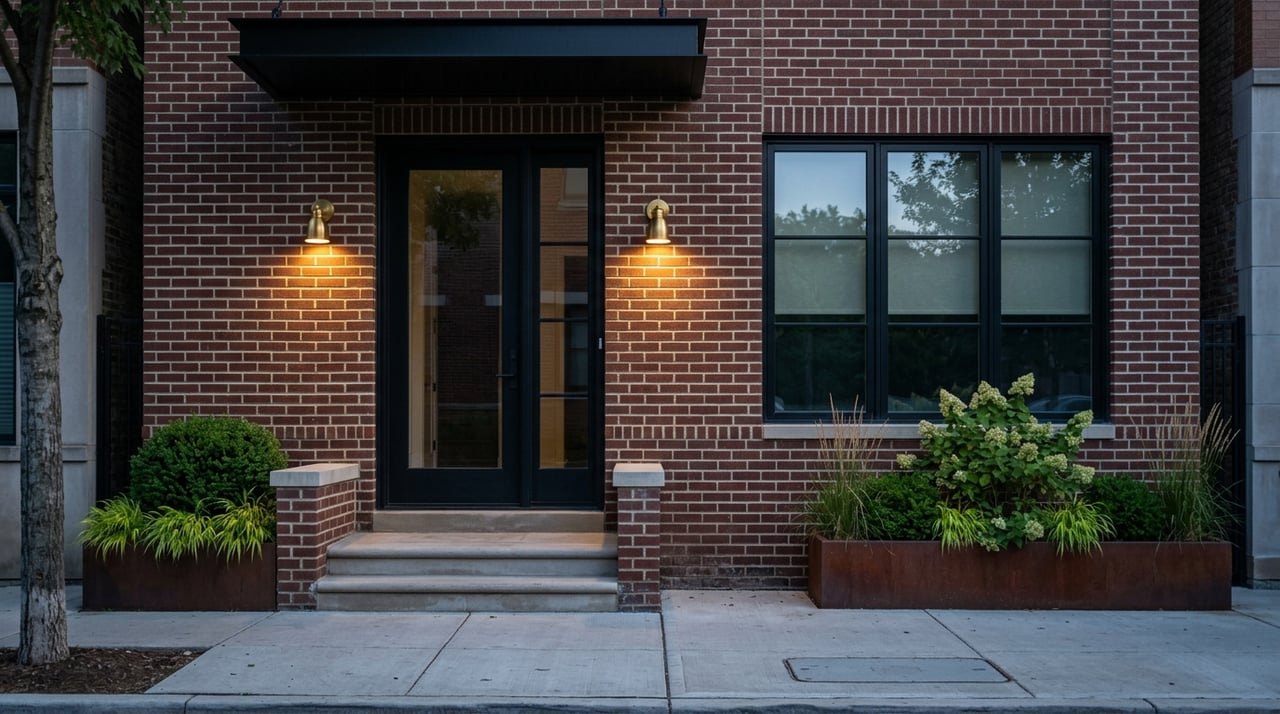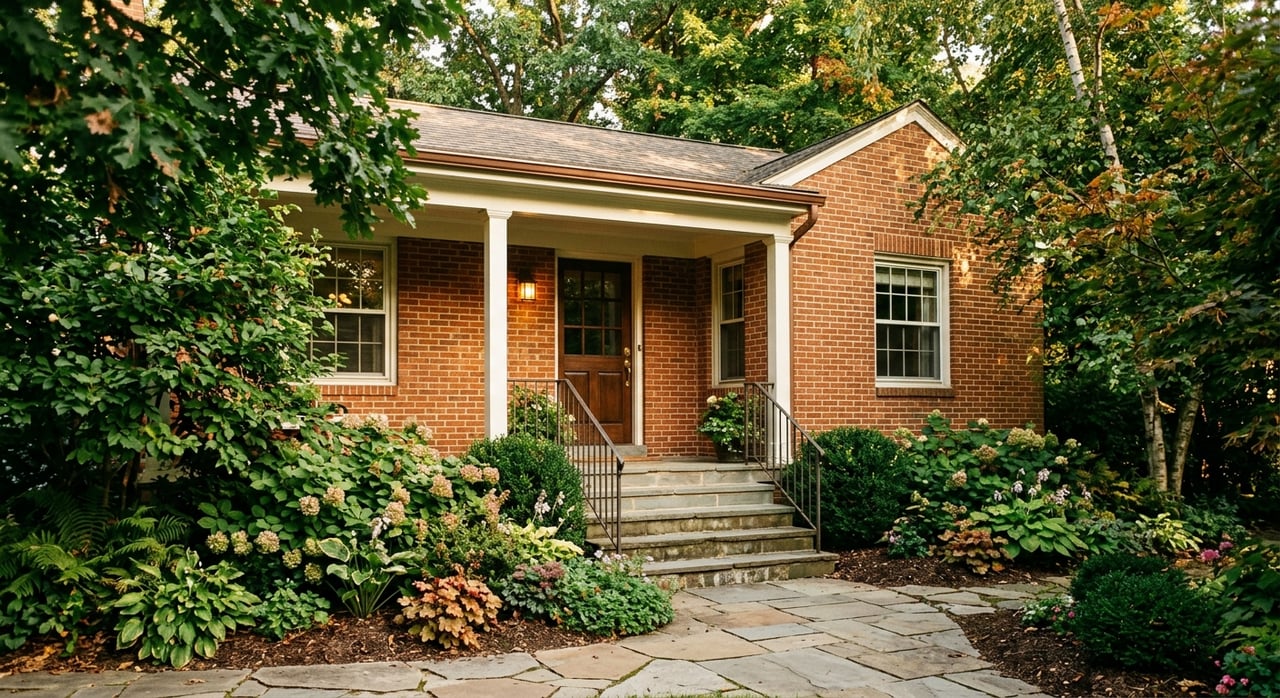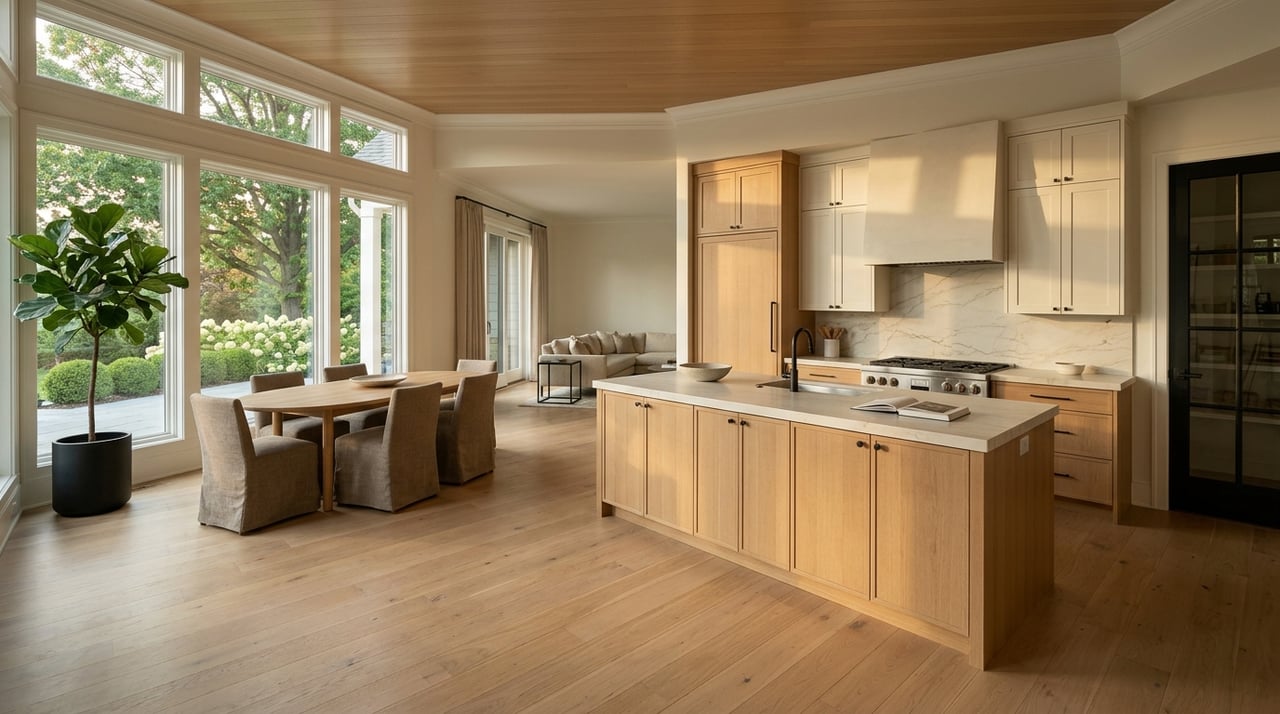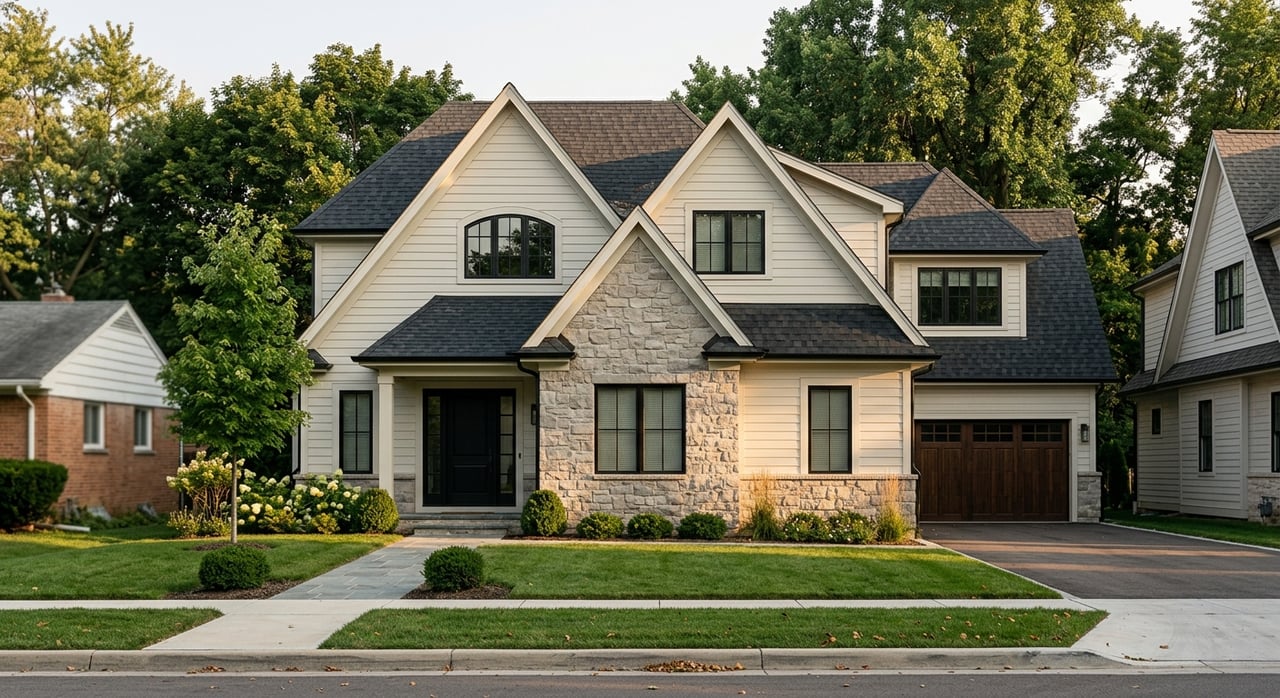
If you are sizing up an infill or teardown opportunity in Novi or Northville, the lot alone will not tell you whether the project works. In these two markets, zoning, trees, review timing, and neighborhood fit can shape your timeline just as much as design and construction costs. The good news is that when you understand the local rules and align the product with what buyers actually want, you can make better decisions earlier. Let’s dive in.
Why Novi and Northville differ
Novi and Northville may attract similar interest from builders, but they operate differently once you get into entitlement and design. Novi tends to follow a more structured suburban review path, while Northville often requires closer calibration to existing block patterns and review context.
In Novi, the city outlines a formal process that begins with a concept meeting, moves into a pre-application meeting, and includes Planning Commission review for items such as site plans, special land use permits, woodland and wetland permits, stormwater management plans, and rezoning recommendations. The city also notes that the current site plan approval process takes about seven months, which is an important timeline assumption for any deal analysis. You can review that process on the City of Novi Planning Commission page.
Northville, by contrast, often puts more pressure on how a new home fits the surrounding block. That makes frontage, massing, and setback relationships especially important before you finalize plans or land pricing.
Novi zoning basics for infill
In Novi, single-family zoning still reflects relatively large-lot suburban standards. According to the Novi zoning ordinance, R-1 requires 21,780 square feet and 120 feet of width, R-2 requires 18,000 square feet and 110 feet of width, R-3 requires 12,000 square feet and 90 feet of width, and R-4 requires 10,000 square feet and 80 feet of width.
Those districts also carry 30-foot front setbacks. For builders, that means a parcel that looks usable at first glance may still be limited by width, buildable envelope, and front-yard positioning once the ordinance is applied.
If your concept does not conform, you are generally looking at a formal variance route rather than an informal adjustment. Novi’s Zoning Board of Appeals hears administrative appeals, variances, and certain use requests, but it cannot rewrite the zoning ordinance itself.
Northville zoning basics for infill
Northville’s residential zoning is often more tailored to established neighborhood patterns. The Northville zoning ordinance shows R-1A at 12,000 square feet and 100 feet wide, while R-1B allows 7,200 square feet and 60 feet wide and includes a 0.36 floor area ratio.
One of the biggest practical differences is the front setback rule in established R-1A and R-1B neighborhoods. Instead of relying only on a fixed number, the front setback is tied to the average setback of nearby homes within 200 feet. That can make block compatibility a central design issue, especially on teardown sites.
If your plan needs relief, Northville’s Board of Zoning Appeals handles variance appeals and ordinance interpretation. As in Novi, the board cannot change the zoning district itself.
Trees, natural features, and site feasibility
One of the easiest mistakes in infill underwriting is treating the site like a simple dimensional problem. In both communities, tree preservation and natural-feature review can materially affect feasibility.
In Novi, the city’s regulated woodland ordinance and map protect trees 8 inches DBH or larger inside regulated woodlands and 36 inches DBH or larger outside regulated woodlands. Protected trees may still be removed, but replacement-tree obligations or tree-fund payments may apply.
Northville also reviews tree removals. Under the city’s tree removal permit process, trees 8 inches DBH or larger must be reviewed by the Community Development Director before work begins, and larger projects may require city arborist inspection.
The practical takeaway is simple: lot width is only part of the story. Tree retention, drainage, neighborhood context, and review timing all need to be part of your initial feasibility model.
Historic District review in Northville
In Northville, some sites come with an added layer of design review that can affect schedule and scope. The city’s Historic District Commission reviews exterior changes, additions, moving, demolition, paint colors, windows, roofs, fencing, and site or landscape changes.
For builders, that means a teardown or exterior-heavy redevelopment plan may involve more than standard zoning review. It is wise to factor in the commission’s fixed monthly review cadence early, especially if your construction or closing schedule is tight. The city also provides applications and meeting dates for Historic District review.
When PUD flexibility may help
Northville also offers a Planned Unit Development path designed to create flexibility in land development. According to the city’s PUD overview, this can support site condominiums, varied design and ownership forms, and reuse of existing sites.
That does not mean every infill site should pursue a PUD. It does mean that if a property has unusual constraints or a redevelopment concept that does not fit neatly within base zoning, there may be a formal path worth evaluating. Applicants must complete a pre-application conference with the city’s planning consultant before applying for PUD eligibility.
What local buyer data suggests
The buyer profile in each market matters because it influences what kind of product will likely resonate once the home is complete. In Novi, the U.S. Census QuickFacts estimate a population of 67,675, owner occupancy of 68.0 percent, median household income of $110,938, bachelor’s-or-higher attainment of 61.2 percent, and a foreign-born share of 27.4 percent.
Northville is smaller and shows higher owner occupancy and household income. The city’s Census QuickFacts profile reports 6,047 residents, 80.3 percent owner occupancy, a median household income of $145,530, and 67.8 percent bachelor’s-or-higher attainment.
Age mix also offers a useful clue. Northville reports 20.9 percent of residents age 65 or older, compared with 15.4 percent in Novi. For product planning, that supports thinking about layouts with easier maintenance, flexible room count, and practical main-level function.
Build for fit, not just size
National buyer-preference research points in a helpful direction for infill product strategy. The National Association of Realtors summary of 2024 NAHB research notes that nearly 40 percent of buyers would accept a smaller lot and 35 percent would accept a smaller house, while buyers are less willing to give up kitchen and closet space.
That matters in Novi and Northville because entitlement limits often push you toward tradeoffs. A home that fits the block, uses square footage efficiently, and preserves the most important interior functions may be more marketable than a larger plan that feels forced onto the site.
In practical terms, the strongest infill product is often not the biggest house on the block. It is the one that feels well-proportioned, thoughtfully designed, and easy for the next owner to live in.
Features that align with demand
Buyer-preference data also helps when you are deciding where to spend and where to simplify. The same NAR summary of NAHB research identifies widely desired features such as a laundry room, patio, Energy Star windows, exterior lighting, ceiling fan, garage storage, front porch, hardwood flooring, a full bath on the main level, Energy Star appliances, a walk-in pantry, landscaping, and table space in the kitchen.
The research also notes traction for features like programmable thermostats, multi-zone HVAC, video doorbells, security cameras, wired security, energy management systems, quartz or engineered-stone countertops, lighting control, and outdoor kitchens. These are useful cues for spec planning in both markets, especially where the lot size or allowable massing may be more constrained than in a greenfield subdivision.
If you are balancing budget against resale appeal, prioritize the features buyers use every day. Kitchens, storage, light, outdoor living, and practical first-floor functionality tend to carry more value than oversized square footage alone.
Why presentation matters in Northville
Northville’s review environment reinforces the importance of design presentation, not just compliance. In Planning Commission discussion tied to the Downs site plan, the city showed close attention to architecture, landscaping, aesthetics, and lot sizes that were smaller than district minimums, as covered in this Northville Planning Commission update.
For a builder, that is a useful signal. Elevations, landscaping plans, and overall streetscape contribution can matter as much as the raw floor plan. A clean, context-sensitive exterior package may strengthen the path through review and improve the final buyer impression.
A practical checklist before you buy
Before you close on an infill or teardown site in Novi or Northville, it helps to run a disciplined pre-acquisition review.
- Confirm zoning district, lot width, lot area, setbacks, and any floor area ratio limits.
- Review whether the concept will require a variance or another public approval.
- Check for regulated woodlands, protected trees, or city tree-removal review.
- Determine whether the property falls within Northville’s Historic District.
- Build a realistic timeline around concept meetings, pre-application requirements, Planning Commission review, HDC scheduling, and possible ZBA hearings.
- Pressure-test the product plan against likely buyer demand for storage, kitchen function, main-level utility, and lower-maintenance living.
A little more diligence at the front end can save months later. That is especially true in markets where entitlement and design review are closely tied to neighborhood compatibility.
Final thoughts for builders
Infill development in Novi and Northville can be rewarding, but these are not markets where you want to rely on a generic suburban playbook. Novi often demands patience with a structured approval process, while Northville tends to reward designs that reflect the surrounding block and account for historic or tree-related review.
If you approach each site with realistic entitlement assumptions, context-sensitive design, and a product strategy shaped by actual buyer preferences, you put yourself in a stronger position to control risk and improve resale appeal. If you want local guidance on how a site, spec package, or finished home may be positioned in the market, Nicolas Petrucci Properties brings construction literacy, boutique advisory service, and targeted marketing expertise to new construction and development sales across Oakland County and nearby luxury suburban markets.
FAQs
What is the approval timeline for infill development in Novi?
- Novi says the current site plan approval process takes about seven months, and the process begins with a concept meeting and pre-application meeting before formal review.
What zoning standards matter most for infill lots in Northville?
- In Northville, lot area, lot width, floor area ratio where applicable, and front setback relationships to nearby homes within 200 feet are especially important for established residential blocks.
What tree rules should builders review in Novi and Northville?
- Novi regulates certain tree removals through its woodland ordinance, and Northville requires review for trees 8 inches DBH or larger before work begins.
What Historic District review applies to Northville teardown projects?
- In Northville’s Historic District, the Historic District Commission reviews many exterior and site changes, including demolition, additions, windows, roofs, fencing, and landscape changes.
What home features are most useful for infill resale in Novi and Northville?
- Buyer research points toward practical features such as strong kitchen design, good closet space, a laundry room, a full bath on the main level, garage storage, outdoor living, and energy-efficient windows and appliances.
What should builders evaluate before buying an infill lot in Novi or Northville?
- You should review zoning compliance, variance risk, trees and natural features, historic review exposure, approval timing, and whether the home design matches likely buyer preferences in that specific market.