Planning a move to the Detroit suburbs from out of state or on a tight corporate timeline can feel overwhelming. You want clear answers on neighborhoods, commute times, and what it takes to win a home without being here in person. You also need a trusted partner to coordinate tours, inspections, and closing details so nothing slips through the cracks. In this guide, you’ll see exactly how our founder-led Buyer Concierge Program helps you compare Wayne County suburbs, tour homes virtually, compete with confidence, and arrive on move-in day with everything ready. Let’s dive in.
Why Metro Detroit suburbs appeal
Metro Detroit offers a wide mix of neighborhoods and price points, with many Wayne County suburbs appealing to buyers looking for value, larger lots, and access to major employers in automotive, mobility tech, and health care. Regional demand often follows commute patterns to Detroit and nearby hubs like Dearborn and the Detroit Medical Center. For a big-picture view of jobs and population trends, review the Detroit Regional Chamber’s insights on the region’s economy and mobility sector on their site.
Each suburb has its own housing styles, property tax rates, and commute profiles. In Wayne County, buyers often consider communities such as Dearborn, Dearborn Heights, Westland, Garden City, Livonia, Taylor, Southgate, Romulus, Canton Township, Northville, Belleville Township, Wyandotte, and Inkster. Because market conditions and inventory shift month to month, you’ll want an up-to-date snapshot before you act. We maintain current market briefs and use recent comparable sales to guide you.
Our Buyer Concierge Program
You get a white-glove, founder-led process built for remote and corporate buyers. It combines neighborhood research, high-quality virtual tours, technical property guidance, and tight coordination from offer through closing.
Discovery and onboarding
We start with a video call to clarify your timeline, budget, must-haves, commute tolerance, and any employer relocation benefits.
- You receive a relocation questionnaire, a service scope outline, and a sample timeline.
- We confirm pre-approval or proof of funds and, if applicable, review your employer policy to align services and reimbursements.
- We screen share neighborhood data to quickly narrow the search.
Curated neighborhood shortlist
Next, we deliver a focused shortlist of 3 to 6 communities that fit your criteria and timeline.
Each neighborhood pack includes:
- Quick facts: typical price ranges, common home styles, lot sizes, and average days on market.
- School district overview and public links, plus a commute map to your workplace.
- Amenities snapshot: parks, grocery, health care, and recreation.
- Recent sales examples and inspection watchouts such as potential flood zones or road noise.
- A “fit” score based on your priorities like commute, yard size, and age of home.
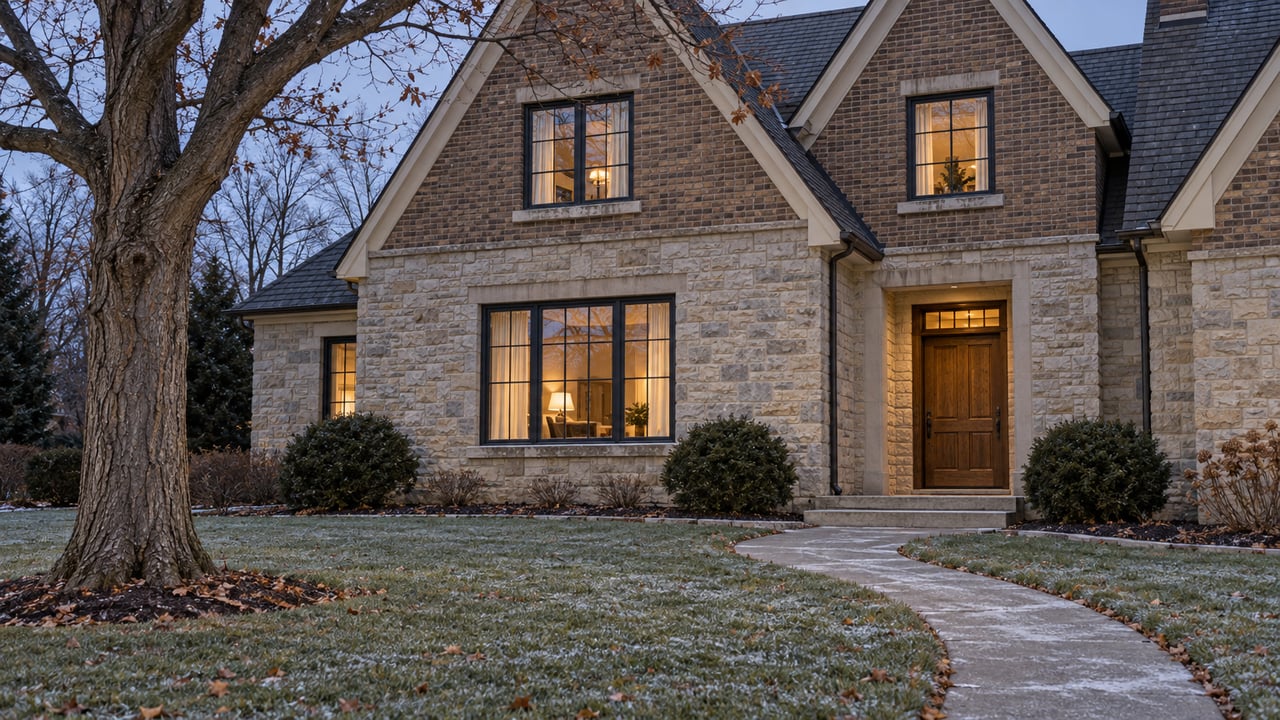
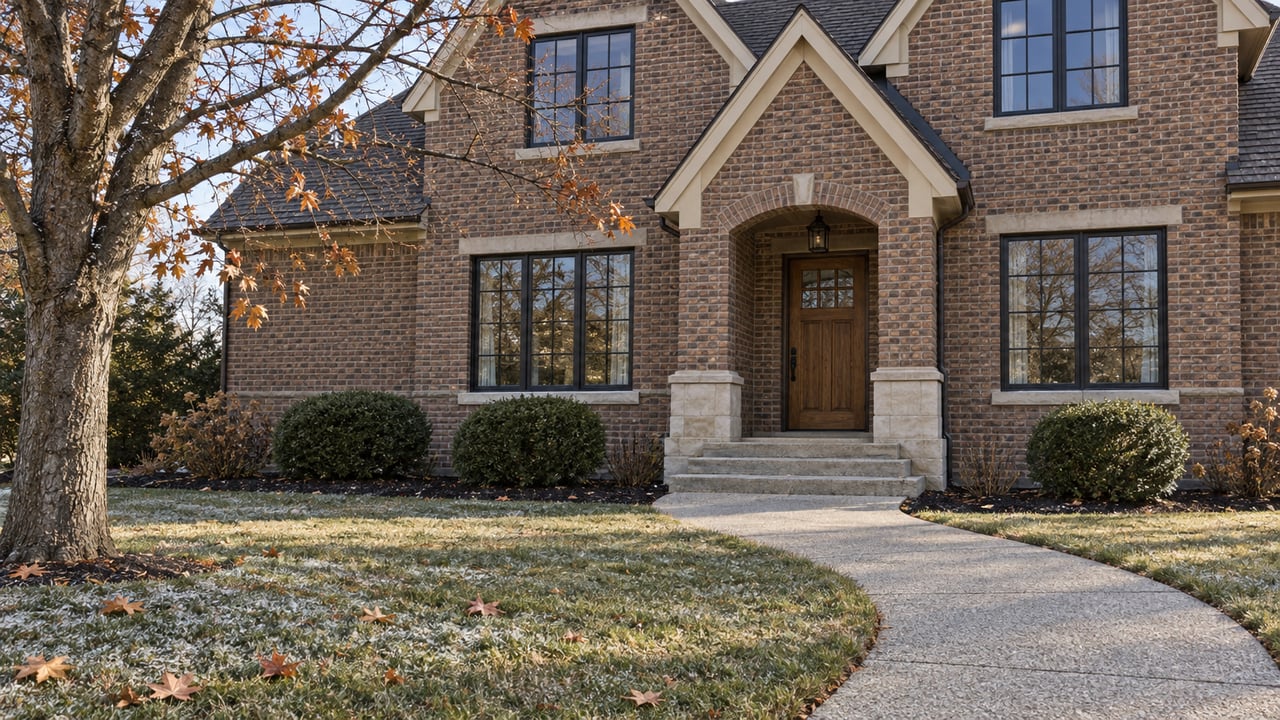
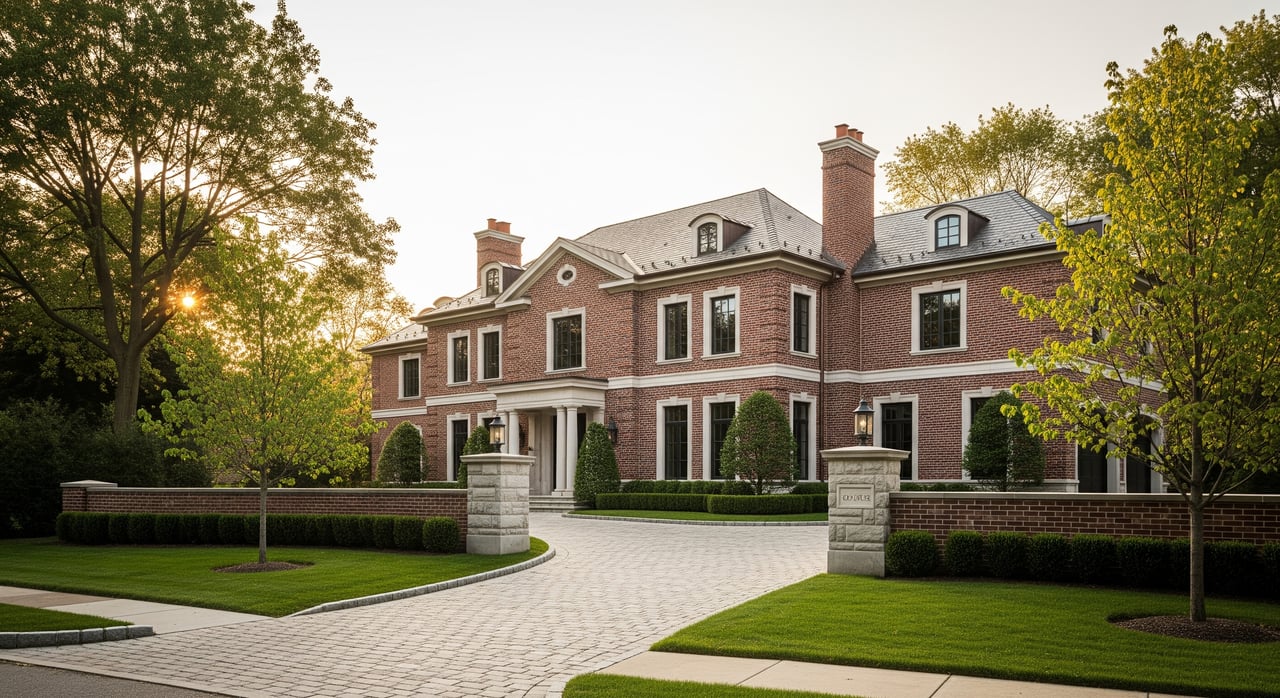
We often illustrate each area with 1 to 2 sample listings so you can see exactly what your budget buys.
Virtual tours and neighborhood immersion
We replicate an in-person experience remotely so you can make confident decisions.
- Live video walk-throughs that show systems, rooflines, basements, garages, and storage.
- Recorded 3D or video tours, drone context where permitted, floor plans, and street scans.
- Short neighborhood videos to capture parks, retail nodes, and commute routes.
Best practices we follow:
- Test connections ahead of time, stream in landscape, and capture both wide shots and key details.
- If you cannot attend in person before closing, we recommend a final independent walkthrough and robust inspection documentation.
Offer strategy that travels well
Remote buyers can be very competitive with the right preparation.
- Financial readiness: submit a strong pre-approval and, for cash, proof of funds. Corporate buyers may include an employer letter if allowed.
- Pricing: we rely on recent comparable sales in the same neighborhood. In faster segments, we discuss escalation clauses or highest-and-best strategies.
- Contingencies: inspection, appraisal, and title review are common. We will explain the tradeoffs of tightening or waiving contingencies.
- Terms: flexible closing dates or strategic earnest money can help, balanced against your risk tolerance.
- Execution: we use secure electronic signatures and set rapid-response windows for counters.
Inspections and contingency management
We coordinate licensed inspectors and specialists and keep you closely informed.
- Join the inspector via video to review findings in real time.
- For older homes, we suggest attention to foundations, basements, plumbing, electrical, HVAC, and potential radon. Homes built before 1978 require a lead-based paint disclosure in certain scenarios.
- If the property may sit in or near a floodplain, we will review maps together using the FEMA Flood Map Service Center.
- For repairs, we can request credits at closing, agreed work before closing, or, where acceptable, escrow holdbacks. Title company approval is required.
Our founder’s construction background helps translate inspection notes into practical options and estimate ranges so you can choose with clarity.
Closing and move coordination
We align your lender, title company, and timeline early to avoid last-minute surprises.
- Closings in Michigan are commonly handled by title companies or closing attorneys. Some offer eSign and remote notarization, but availability varies by company and lender. We will confirm your options in advance.
- Funds and wire safety: we only follow wiring instructions verified by phone using known numbers to protect you from fraud.
- Utilities: many suburbs are served by DTE Energy for electric. Water, sewer, and trash are set up through the municipality. We provide a utility checklist and contacts.
- Vehicle and driver updates: new residents should review requirements on the Michigan Secretary of State site for licenses and registrations.
- We can coordinate movers, temporary housing, storage, cleaners, internet setup, and key vendor appointments to fit your arrival date.
Corporate relocation support
If you are moving on an employer timeline, we align with your relocation policy and vendors.
- We coordinate with relocation management companies such as Cartus, SIRVA, or Graebel when required, including documentation and invoicing.
- We create a timeline that fits your job start date, factoring in closing windows and any temporary housing.
- Reimbursements can have tax implications based on employer policy. We recommend discussing specifics with your HR team or a tax advisor.
Your step-by-step timeline
- Discovery: needs, budget, pre-approval, and policy review
- Shortlist: 3 to 6 neighborhoods with research packs
- Virtual tours: live and recorded property and area tours
- Offer: pricing, terms, contingencies, and digital execution
- Inspections: general and specialist reviews, negotiation
- Closing: title coordination, secure funds transfer, signing
- Move-in: utilities, movers, registrations, keys
Timelines vary by market and lender. We keep you updated with weekly check-ins and milestone alerts.
Local resources you will use
- Regional economic and mobility context from the Detroit Regional Chamber
- Property and county services via the Wayne County official site
- Electric service and outage planning with DTE Energy
- Flood risk checks using the FEMA Flood Map Service Center
- Driver’s license and vehicle registration guidance from the Michigan Secretary of State
Market conditions and policies can change. We will confirm details with your title company, lender, and the latest local data before you make final decisions.
Ready to simplify your move to the Detroit suburbs? Our founder-led team will curate your neighborhood shortlist, tour homes virtually, and manage every step through closing so you arrive with confidence. Start a conversation with Nicolas Petrucci Properties.
FAQs
Can I buy a home sight unseen in Wayne County?
- Yes, it is possible but higher risk; we recommend thorough virtual tours, a strong inspection contingency, and, if feasible, an in-person final walkthrough before closing.
How do remote closings work in Michigan if I am out of state?
- Many title companies offer eSign and remote notarization, but availability depends on your lender and the title company; we confirm options early and prepare an in-person alternative if required.
Will an out-of-state offer be competitive in the Detroit suburbs?
- It can be; pre-approval, fast response times, clear terms, and flexible closing dates help your offer stand out, and we tailor strategy to current neighborhood conditions.
Which Detroit-area suburbs should I consider as a newcomer?
- Based on your commute and budget, we commonly evaluate Dearborn, Dearborn Heights, Westland, Garden City, Livonia, Taylor, Southgate, Romulus, Canton Township, Northville, Belleville Township, Wyandotte, and Inkster, with tradeoffs on taxes, housing styles, and commute times.
What extra costs should I plan for when buying in Michigan?
- Plan for property taxes that vary by municipal millage, homeowners insurance, closing costs such as title and recording fees, moving and utility setup costs, and a reserve for repairs and maintenance.
How soon should I set up utilities and registrations after closing?
- Schedule utility transfers before closing when possible, contact DTE Energy for electric, your municipality for water and trash, and review license and registration steps on the Michigan Secretary of State site; lead times can vary by provider.