Love the character of a century home and the idea of morning coffee steps from a charming downtown? If Plymouth is on your list, you’re not alone. The Old Village and Kellogg Park area draws buyers who want walkability, period architecture and a tight-knit, small-town feel within Metro Detroit. In this guide, you’ll learn where to look, what styles you’ll find, how Plymouth’s historic rules affect renovations, the inspections that matter most, and smart budgeting tips before you write an offer. Let’s dive in.
Why Plymouth’s historic core stands out
Plymouth’s historic heartbeat is around Kellogg Park and the nearby Old Village, a compact, walkable district with shops, cafés and local landmarks. The Old Village Association highlights the area’s 1840s-era roots and the easy strolls to dining, services and community events, which make it one of Metro Detroit’s more walkable historic neighborhoods. Explore the feel of Mill Street, Liberty, Starkweather and Holbrook to get a sense of the small-block fabric and front-porch rhythm. If you want an older home with a true downtown lifestyle, start your search here.
Learn more about neighborhood character and events from the Old Village Association.
What styles you will see
Victorian-era charm
You’ll notice ornate Victorian forms, including Italianate, Queen Anne and the occasional Second Empire silhouette. Look for tall windows, decorative brackets, patterned shingles and front porches with turned posts or spindles. Many are wood-frame, sometimes with bay windows and detailed millwork.
Early 20th century classics
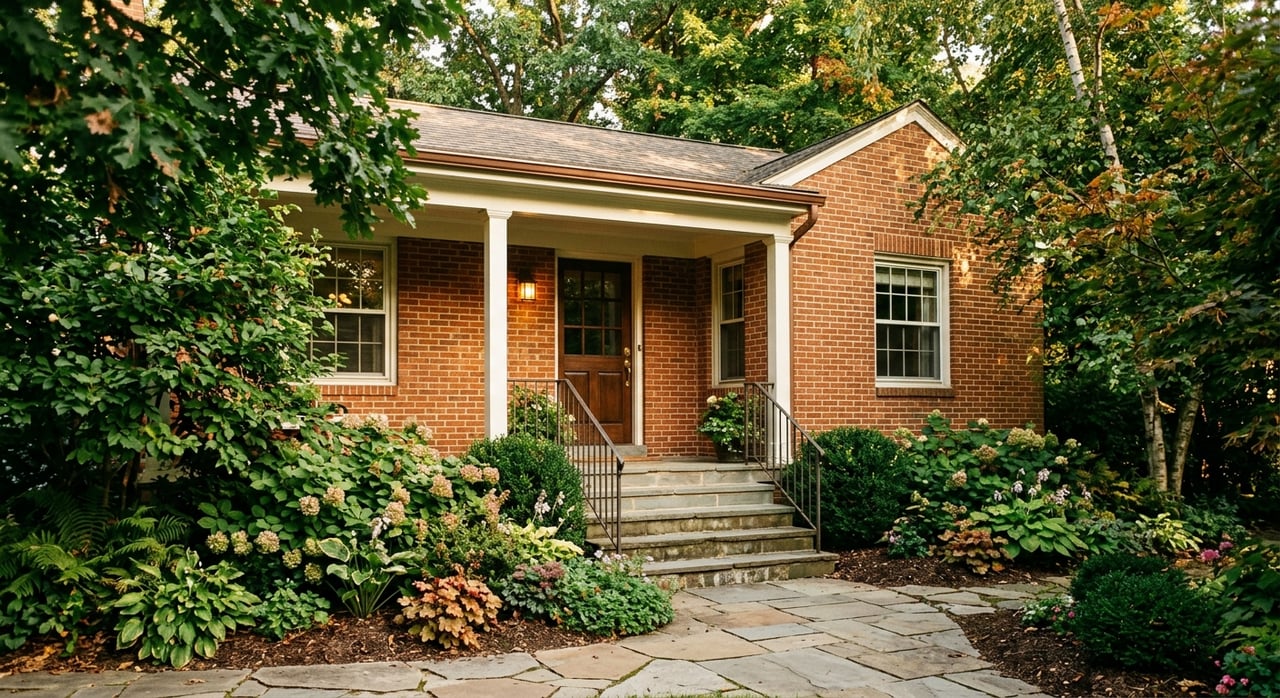
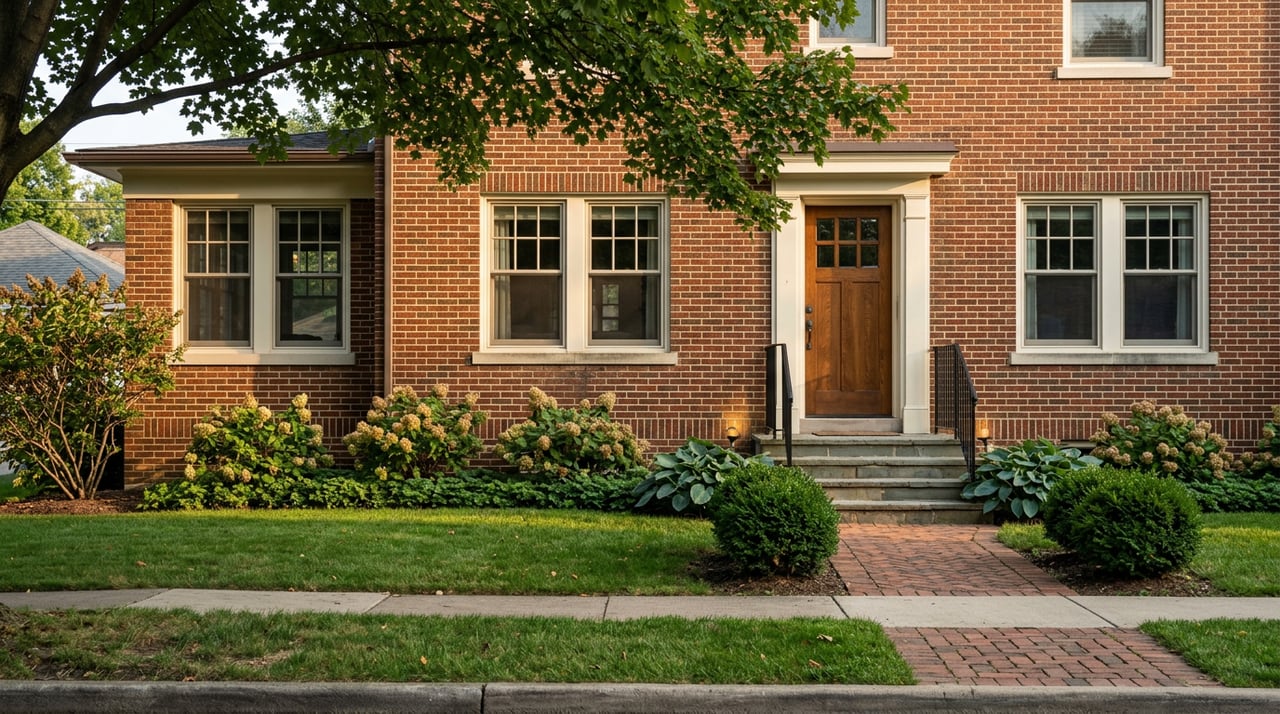
Bungalow and Craftsman homes are common, with low-pitched roofs, deep eaves and generous front porches. You’ll also see American Foursquares with simple, boxy massing and Colonial Revival or Tudor-influenced cottages that add brick or stone details. Expect a mix of slate or shingle roofs, original wood windows and plaster walls that showcase the era’s craftsmanship.
What historic rules mean for you
HDC review and Certificates of Appropriateness
Parts of central Plymouth fall within locally identified historic areas. If a property sits inside these boundaries, exterior changes often require review by the city’s Historic District Commission and a Certificate of Appropriateness before work begins. Typical triggers include demolition, additions, window or door changes, exterior material or color changes, and most new site elements like fences, paving or major landscaping. Like-for-like maintenance and basic repairs typically do not need review, but always confirm.
The HDC meets on a predictable schedule and asks for a formal application with drawings, photos and material specifications. Review the city’s HDC application and checklist to understand submittal requirements and to scope accurate contractor bids.
City permits and inspections
Separate from historic review, many projects require building, electrical, plumbing or mechanical permits. Roofing, window replacements and siding often trigger permits and inspections. Budget time and fees for the City of Plymouth’s permit process as part of any renovation plan. You can review the process through the Building Department.
Tax credits and incentives
Michigan’s state historic tax credit
Michigan offers a State Historic Preservation Tax Credit that can include an owner-occupied residential category, subject to eligibility and annual program caps. Your home must be listed or contribute to a listed district, and the program uses a multi-part application. If you plan a preservation-grade rehab, investigate this early and watch for application windows. See the latest program details from the Michigan State Historic Preservation Office.
Federal historic tax credit limits
The familiar 20 percent federal Historic Rehabilitation Tax Credit typically applies to certified rehabilitations of income-producing properties. It generally does not apply to owner-occupied single-family homes used as a primary residence. If you are buying for your own use, confirm your assumptions by reviewing this overview of federal credit eligibility.
Inspections that protect your purchase
Century homes reward careful due diligence. Plan a thorough home inspection and line up specialists who understand older houses. In addition to a standard inspection, consider:
- Licensed electrician for a full electrical evaluation.
- Structural engineer if you see settlement cracks or movement.
- Chimney and fireplace inspection for flues and liners.
- Sewer camera scope, especially if drains are original cast iron.
- Pest and wood-destroying insect inspection.
- Lead-based paint and asbestos testing if you plan to disturb older materials.
- Radon testing for any home with a basement or lower-level living space.
Common issues to watch in Plymouth-area century homes
Electrical systems. Knob-and-tube or cloth-insulated wiring and undersized service panels appear in many early 20th century homes. Electrical failures remain a leading cause of home fires nationally, so elevate this part of your evaluation. Review insurer requirements and get a licensed electrician’s written scope and estimate if updates are needed. See context from the NFPA’s research on electrical failures.
Plumbing and drains. Galvanized water lines and cast-iron drains can restrict flow or fail. A quick sewer camera scope can reveal root intrusion or pipe deterioration before you close.
Foundations and moisture. Stone, brick or early concrete foundations can show mortar loss or settling. Check grading, gutters and downspout extensions and look for efflorescence or chronic moisture in the basement.
Historic materials and windows. Original wood windows and trim add value and character but may need reglazing, sash repair or selective weatherstripping. A repair-first approach often preserves character and aligns with preservation expectations. For an overview of preservation treatment standards, review the National Park Service guidance.
Lead paint and asbestos. Homes built before 1978 often contain lead-based paint and may include asbestos in older flooring, pipe wrap or siding. Federal law requires sellers of pre-1978 homes to provide the EPA/HUD lead disclosure pamphlet, and contractors must follow lead-safe work practices. Review the EPA’s lead disclosure requirements and budget for testing when planning interior work.
Radon. Radon shows up in parts of Wayne County. The EPA advises testing every home and mitigating if levels meet or exceed 4 picocuries per liter. View Michigan’s county map for context through EGLE’s radon resource.
Budgeting, timing and insurance notes
Older homes can be predictable when you plan for them. A common rule of thumb is to reserve about 1 to 4 percent of the home’s value per year for maintenance and repairs. Character homes often trend toward the high end, especially if you plan careful restoration rather than quick replacements. For a primer on ownership costs, see this overview of homeownership budgeting basics.
Build a separate contingency for major surprises uncovered during inspection. Whole-house rewiring, foundation corrections or drainage improvements can add up quickly, so get preliminary quotes during your contingency window. If the home has known major issues, coordinate early with your lender and your insurer to confirm any repair conditions or coverage requirements. Written contractor scopes and licensed trade documentation help keep financing and insurance on track.
A quick buyer checklist
Confirm district status. Ask if the home sits within Plymouth’s Kellogg Park Historic District or another local historic area. If yes, request any prior HDC approvals or COA files and review the city’s COA application checklist.
Do a pre-offer walk. Note roof age, porch integrity, window types, visible wiring in the attic or basement and any signs of moisture.
Stack your inspection contingency. In addition to a full home inspection, include electrical, structural, chimney, sewer camera, pest, lead and radon as appropriate.
Request records. Ask for maintenance logs, permit history and any open recommendations from prior inspections.
Plan exterior changes early. If you anticipate window, siding, porch or site work, talk with the HDC or Community Development to align your scope and timeline with COA review. Use the COA checklist to guide contractor bids.
Check state credits if restoring. If you are planning a preservation-grade rehab, review owner-occupied eligibility and timing for the Michigan state credit before you start.
Ready to buy with confidence?
Buying a historic home in Plymouth is a lifestyle choice as much as a real estate decision. With the right due diligence and an advisor who understands construction, permitting and preservation, you can enjoy the character you love without surprises. If you would like a tailored search in Old Village and around Kellogg Park, guidance on inspections and scopes, and negotiation strategy built on technical detail, connect with Nicolas Petrucci Properties. We bring a builder’s eye and concierge-level service to help you buy well.
FAQs
How do I know if a Plymouth home is in a historic district?
- Ask the listing agent or the City whether the property is within a locally identified historic area and review the city’s HDC COA checklist for context on review triggers.
What exterior changes require approval in Plymouth’s historic areas?
- Demolition, additions, window and door changes, exterior materials or colors and many site elements like fences or paving typically require HDC review, while like-for-like repairs often do not.
Are there tax credits for owner-occupied historic homes in Michigan?
- The Michigan State Historic Preservation Tax Credit offers an owner-occupied category with program caps and specific eligibility and timing; confirm details with the state program page.
Does the federal historic tax credit apply to my primary residence?
- Generally no; the 20 percent federal Historic Rehabilitation Tax Credit is designed for income-producing historic properties, not owner-occupied single-family homes, per this program overview.
What inspections should I order for a 1920s Plymouth house?
- Start with a thorough home inspection and add electrical, structural, chimney, sewer camera, pest, lead testing and radon testing based on age and planned renovations.
How might old wiring affect insurance or financing on a historic home?
- Active knob-and-tube or other obsolete systems can lead to higher premiums or repair conditions from insurers or lenders, so get licensed electrician documentation and coordinate early with your provider.